

Root Canal Retreatment in Delray Beach, FL
Root canal retreatment in Delray Beach, Florida, addresses a tooth that has not healed as expected after an initial root canal or that has developed a new infection. At Sepe Dental, this service aims to relieve symptoms, remove persistent bacteria, and preserve your natural tooth whenever possible.
Root Canal Retreatment Explained
Retreatment is a follow-up endodontic procedure performed on a tooth that previously had a root canal. Even with careful care, bacteria can remain or re-enter the root system due to complex canal anatomy, missed canals, a leaking filling or crown, new decay, or a crack in the tooth or restoration.
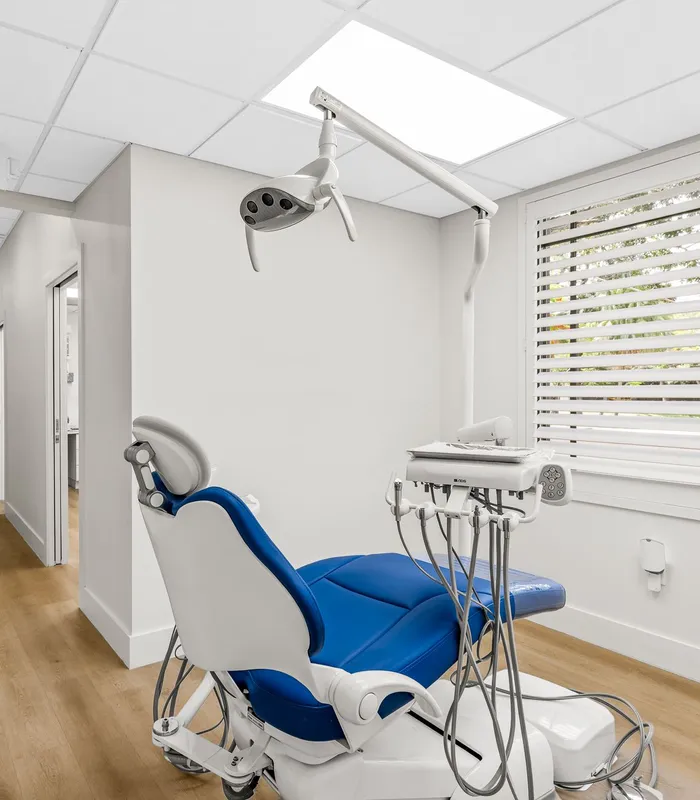
Common signs you may need retreatment include:
- ✓Persistent or returning pain while chewing or biting.
- ✓Lingering sensitivity to hot or cold.
- ✓Swelling, tenderness, or a pimple on the gums near the tooth.
- ✓Discoloration or a dull ache that does not resolve.
- ✓A loose or damaged crown or filling on the treated tooth.
Because symptoms can overlap with other dental issues, a careful evaluation and imaging are essential to confirm the need for endodontic retreatment.
Benefits of Root Canal Retreatment
- ✓Preservation of your natural tooth structure whenever feasible.
- ✓Removal of persistent infection and relief of inflammation.
- ✓Protection of neighboring teeth by stopping the spread of bacteria.
- ✓Maintenance of normal chewing function and bite alignment.
- ✓Avoidance of extraction and more extensive tooth replacement procedures.
Saving your natural tooth is often the most conservative path for long-term oral health, provided the tooth has a favorable prognosis.
Tooth Pain After a Previous Root Canal?
Schedule a retreatment evaluation for relief and answers.
How Root Canal Retreatment Works
The steps are similar to a first root canal, with extra focus on locating and cleaning complex or previously untreated spaces:
Assessment and Imaging
Identify the cause of failure and plan treatment.
Comfort with Local Anesthesia
Numb the tooth and surrounding area for a comfortable experience.
Re-Entry Through the Crown
Access the canal system through the existing restoration.
Removal of Old Filling Materials
Expose the full canal anatomy for thorough cleaning.
Thorough Cleaning and Shaping
Disinfecting solutions reduce bacteria throughout the canal system.
Medication Between Visits
When needed, medication calms inflammation before final sealing.
Sealing and Restoration
New filling material seals the canals, followed by a new core and often a crown.
Some cases are completed in one visit, while others require two or more appointments based on infection and complexity.
What to Expect Before and After Retreatment
Before your procedure, an exam will review your history, symptoms, and radiographs. Discuss current medications and any changes in your health. Plan to avoid chewing on the tooth until it is fully restored to protect it from fracture.
After retreatment, mild soreness is common for a few days and usually responds to over-the-counter pain relievers. A final restoration, often a new crown, is critical to create a long-lasting seal. Follow-up imaging helps confirm healing over time.

When Retreatment May Not Be Ideal
In certain situations, alternatives may be recommended. These can include endodontic surgery (apicoectomy) to treat the root tip directly or extraction followed by a replacement option such as a dental implant, bridge, or partial denture. The choice depends on the tooth's condition, crack extent, remaining structure, and your overall health goals.
We Can't Wait to See You!

Frequently Asked Questions
New decay under a crown, a leaking restoration, a crack, or previously missed canals can allow bacteria to re-enter and irritate the tissues, even years later.
Local anesthesia keeps you comfortable during the procedure. Afterward, most patients report mild to moderate soreness that improves over several days.
Many cases take 60–90 minutes per visit. Complex anatomy or significant infection can require additional time or multiple visits to ensure proper disinfection.
Often a new crown or new core build-up is recommended to achieve a secure seal and restore strength. Our endodontist will evaluate the condition of your current crown.
Alternatives include apicoectomy to treat the root tip or extraction with replacement by an implant, bridge, or partial denture. Each option has different timelines and maintenance.
Success depends on factors like canal anatomy, restoration quality, and crack presence. With proper sealing and follow-up care, many retreated teeth function for years.
Chew on the opposite side until the final restoration is placed, keep the area clean with gentle brushing and flossing, and attend recommended follow-up appointments.
Related Dental Care and Patient Resources
Explore related treatment options, meet your dentist, review payment information, or plan your visit to Sepe Dental.