

Digital X-Rays in Delray Beach, FL
Digital X-rays in Delray Beach, Florida, support accurate diagnosis while keeping radiation exposure low. Patients can expect crisp images that help identify tooth decay, gum disease, infections, and concerns below the surface. This page explains how digital dental radiography works, the benefits, and what happens during a visit.
Digital X-Rays Explained
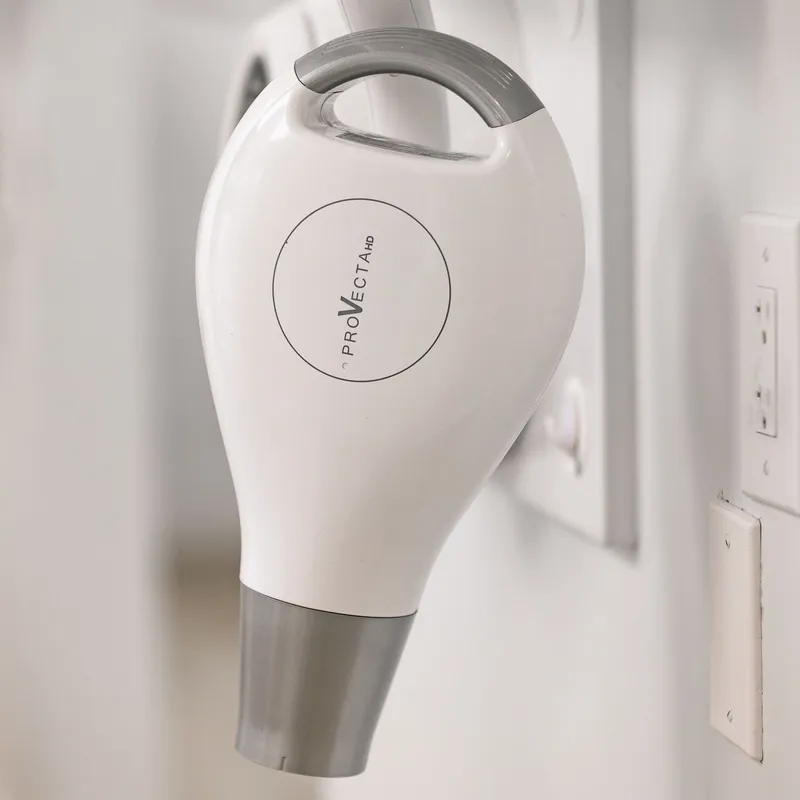
Digital X-rays use small electronic sensors instead of traditional film to capture detailed images of your teeth and jaws. The images appear on a computer screen within seconds, allowing quick review and discussion during your appointment. Because the system is more sensitive than film, it typically uses less radiation to produce a clear picture.
Types of Images
Different images answer different questions. Bitewing X-rays show the areas between back teeth and help detect cavities and changes in bone levels. Periapical X-rays focus on a single tooth from crown to root to evaluate infection or fractures. Panoramic X-rays scan the entire mouth in one image to review jaw joints, impacted teeth, and overall jaw structures.
Safety and Radiation
Digital X-rays are designed with safety in mind. Modern systems follow the ALARA principle (as low as reasonably achievable) to minimize exposure. When appropriate, a lead apron and thyroid collar add an extra layer of protection. For most patients, the dose from a set of digital bitewings is a small fraction of everyday background radiation.
Benefits of Digital X-Rays
- ✓Low radiation dose compared with traditional film-based X-rays.
- ✓High-resolution images that enhance early cavity and gum disease detection.
- ✓Immediate viewing so treatment decisions can be made without delay.
- ✓Chairside zoom and contrast tools that make findings easier to understand.
- ✓Eco-friendly process without chemical film processing.
- ✓Secure digital storage that simplifies comparisons over time and referrals when needed.
Clear Imaging for Better Care
Schedule your visit with our advanced digital X-ray technology.
The Digital X-Ray Process
The process is quick and comfortable. Our dentist and team will position a small sensor in your mouth and ask you to bite down gently. A handheld or wall-mounted device takes the image in a fraction of a second.
Sensor Placement
A small sensor is positioned in your mouth for bitewing or periapical views.
Image Capture
The device takes the image in a fraction of a second, quick and comfortable.
Panoramic Option
For a full-mouth view, you stand still while the machine moves around your head.
Instant Review
Images are reviewed immediately to confirm clarity. Additional views are taken only if necessary.
Your Digital X-Ray Experience
Minimal preparation is needed. Tell the team if you might be pregnant, have a strong gag reflex, or wear removable appliances. Small positioning changes and slower breathing through the nose often ease gagging. Most imaging is completed within minutes.
How often X-rays are recommended depends on your cavity risk, history of dental work, and signs of gum disease. Many adults with low risk may need bitewings every 12–24 months. After imaging, our dentist will show what the pictures reveal and outline next steps. Early detection can make treatment simpler and more comfortable.
We Can't Wait to See You!

Frequently Asked Questions
Yes. Digital systems use a lower dose than traditional film and follow strict safety standards. Exposure is kept as low as possible while still producing a diagnostic image.
Frequency depends on your oral health and risk for decay or gum disease. Low-risk adults may need bitewings every 12–24 months, while others may need them more often.
X-rays can reveal cavities between teeth, decay under fillings or crowns, root infections, abscesses, cysts, impacted teeth, and bone loss from gum disease.
Routine dental X-rays are often postponed during pregnancy. If urgent imaging is needed, shielding and safety protocols are used. Inform the dental team if you are or might be pregnant.
Often yes. X-rays help monitor growth, check tooth eruption, and detect cavities that are not visible. Pediatric imaging uses the lowest dose needed for clear, useful pictures.
Bitewing X-rays focus on the back teeth to detect cavities and bone changes with high detail. Panoramic X-rays capture the entire mouth and jaws but are not used to find small cavities.
Related Dental Care and Patient Resources
Explore related treatment options, meet your dentist, review payment information, or plan your visit to Sepe Dental.